What Are the Salivary Glands?

The human mouth contains several types of salivary glands that are essential for digestion and maintaining oral health. The submandibular glands, located deep within the lower jaw, have the narrowest ducts and open under the tongue at the front of the mouth. Sublingual glands sit just beneath the tongue, while hundreds of minor salivary glands are scattered throughout the mouth and throat, particularly on the lips and palate. These glands continuously produce saliva—not only during eating, but even in response to the sight or smell of food. Composed mostly of water, saliva also contains proteins and minerals that support digestion and help protect teeth and oral tissues. On average, a person produces about one litre of saliva each day.

Benefits of Sialendoscopy and Salivary Treatment

  • Facilitates accurate and less invasive diagnosis and treatment of salivary gland blockages or disorders
  • Preserves natural gland function whenever possible
  • Reduces pain, swelling, and lowers risk of infection
  • Minimizes scarring, often avoiding traditional surgery
  • Promotes quick return to comfort and daily routines

Why Treat Salivary Gland Problems?

Untreated salivary gland disorders can cause swelling, pain, dry mouth, and a higher risk of repeated infections.

These issues may affect eating, speaking, and overall comfort. Timely treatment restores gland function, reduces discomfort, and prevents potential complications such as abscesses or chronic infections.

“The ENT Central team helped me understand my salivary problem, and sialendoscopy solved it quickly. Recovery was much easier and there were no visible scars.”

Sialendoscopy & Surgical Details

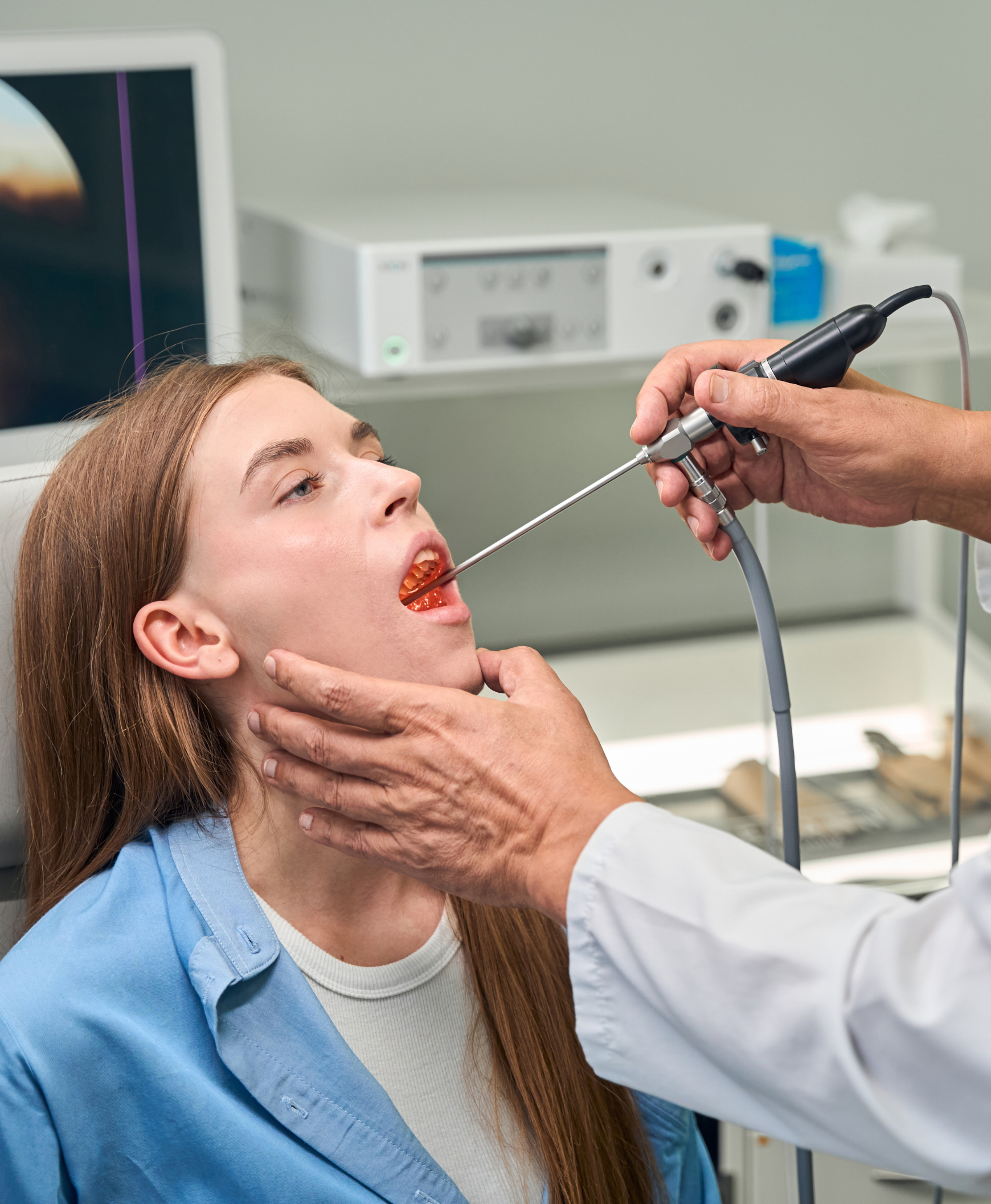
Sialendoscopy is an advanced, minimally invasive technique for diagnosing and treating salivary duct issues. A tiny endoscope is used to directly view and treat the ducts, often under local or general anesthesia. Blockages such as stones can be removed without any skin incisions. The majority of cases are handled as day surgery or with a brief stay. For complex situations where traditional surgery is needed, incisions are positioned carefully to reduce visible scarring. ENT Central coordinates initial radiology (ultrasound, CT, or MRI) near you, with online consultations for convenient care planning.

Am I a Candidate for Treatment?

You may benefit from sialendoscopy or other salivary procedures if you have:

  • Ongoing swelling or pain in your mouth or jaw
  • Recurring infections of the salivary glands
  • Dry mouth or reduced saliva
  • Duct stones or blockages seen on imaging

Out-of-town residents can arrange speedy online consultation and local imaging. ENT Central offers flexible pathways for evaluation and treatment, often allowing a “fly in, stay one night, fly out” approach for sialendoscopy procedures.

Recovery & Expected Outcomes

Recovery following salivary gland procedures is generally smooth and swift. Most patients experience only mild discomfort, which is easily managed and typically fades within a few days. Light activities and normal routines can usually be resumed very soon after treatment, making recovery far less disruptive than with traditional surgery.

Symptom relief often occurs rapidly, with many patients noticing an immediate improvement in swelling, pain, or dry mouth. Early intervention not only resolves immediate symptoms but also reduces the chance of future complications, such as recurrent infections or duct blockages. This approach helps preserve both comfort and function over the long term.

Cosmetic outcomes are also a priority, especially with endoscopic techniques like sialendoscopy that avoid external scarring. Minimal downtime and scarring mean that the impact on appearance and lifestyle is negligible. Ongoing follow-up with the care team supports healing, maintains gland health, and ensures you remain comfortable and confident moving forward.

Types of Salivary Gland Procedures

A range of procedures is available for salivary gland issues, chosen based on your condition, anatomy, and overall health. ENT Central designs each treatment plan to achieve the best possible outcome while minimizing discomfort and visible scarring.

Sialendoscopy

Sialendoscopy is the primary, minimally invasive treatment for salivary duct blockages and select gland disorders. Using a tiny endoscope, the procedure allows direct visualization and removal of stones or debris from within the duct. It is performed through natural openings in the mouth, requires no external incisions, and is typically done under local or general anesthesia. Patients benefit from fast recovery, reduced risk of complications, and preservation of gland function.

Traditional Surgery

Traditional open surgery is reserved for more complex or severe conditions where endoscopic management is not feasible, such as large tumors or chronic infections that can't be addressed with sialendoscopy. Even in these cases, every effort is made to position incisions discreetly and minimize visible scarring while ensuring thorough disease removal and optimal long-term results.

Consultation and Imaging Pathway

The diagnostic process often begins with advanced imaging, such as ultrasound, CT, or MRI scans, which can typically be arranged locally for your convenience. ENT Central coordinates these investigations and provides remote or in-person consultations to evaluate your imaging results and symptoms. This personalized approach allows for seamless planning and timely treatment, even for out-of-town patients.

Salivary Gland FAQs

Is sialendoscopy a painful procedure?

Will I need a hospital stay after sialendoscopy?

Will there be a visible scar after treatment?

How quickly can I return to my normal activities?

Is gland function preserved following treatment?

What causes salivary duct blockages?

Are repeated infections a sign of a serious problem?

Can all salivary gland stones be treated with sialendoscopy?

Will I need follow-up care?

Can children undergo sialendoscopy?

Is special preparation needed before the procedure?

Is sialendoscopy a painful procedure?

Most patients report only minor discomfort during and after the procedure, which is easily managed with simple pain relief.

Will I need a hospital stay after sialendoscopy?

Sialendoscopy is usually performed as a day procedure or may require just one overnight stay, depending on the situation.

Will there be a visible scar after treatment?

Sialendoscopy does not require external incisions, so there’s typically no visible scar. Even with traditional surgery, incisions are placed to minimize cosmetic concerns.

How quickly can I return to my normal activities?

Many patients resume regular activities within a day or two after sialendoscopy, and full recovery is usually rapid.

Is gland function preserved following treatment?

Yes—sialendoscopy is designed to clear blockages while preserving the natural function of the salivary gland whenever possible.

What causes salivary duct blockages?

Blockages are most commonly caused by small mineral stones, thickened saliva, or rarely, duct strictures or tumors.

Are repeated infections a sign of a serious problem?

Recurring salivary gland infections may indicate duct blockages or stones and should be evaluated promptly to prevent further complications.

Can all salivary gland stones be treated with sialendoscopy?

Most stones can be removed with sialendoscopy, but very large or deeply embedded stones may occasionally require traditional surgery.

What are the risks or side effects of salivary gland procedures?

Complications are rare but can include minor bleeding, infection, swelling, or temporary changes in sensation at the treatment site.

Will I need follow-up care?

Regular follow-up appointments are recommended to monitor healing and ensure symptoms do not return. Your care team will guide you on the best follow-up schedule.

Can children undergo sialendoscopy?

Yes, when indicated, sialendoscopy can be performed safely in both adults and children with salivary gland issues.

Is special preparation needed before the procedure?

Generally, only minimal preparation is required; your doctor will provide specific instructions tailored to your situation.

Why Choose Dr. Naveed Basheeth?

Dr. Naveed Basheeth offers internationally recognized expertise in the diagnosis and treatment of salivary gland disorders, including advanced, minimally invasive sialendoscopy and complex salivary surgery. With specialized fellowship training and a commitment to state-of-the-art care, he ensures precise, safe, and effective solutions for a wide range of salivary issues.

Dr. Basheeth’s approach combines meticulous surgical skill with genuine compassion, preserving gland function and minimizing discomfort or scarring wherever possible. He streamlines care for both local and out-of-town patients through personalized consultations, efficient imaging coordination, and attentive follow-up.

Patients benefit from his clear communication, tailored treatment plans, and dedication to optimal outcomes—making Dr. Basheeth a trusted leader in salivary gland care throughout New Zealand.
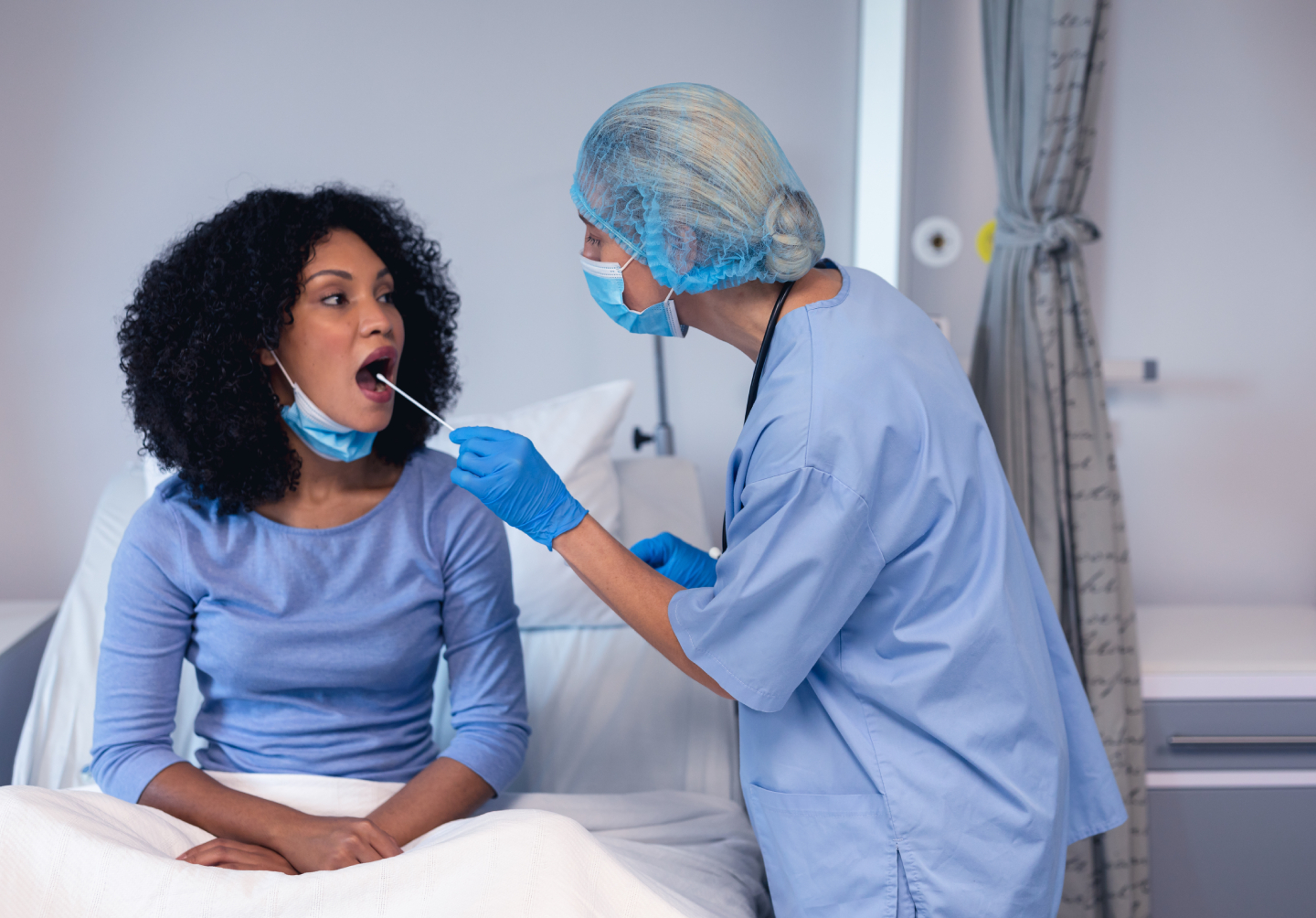
Referral Pathway: We provide online consultations within two weeks of referral for out-of-town residents. Relevant investigations, radiological and laboratory, can be undertaken in the patient's city. Private and outsourced referrals can be sent to: admin@entcentral.co.nz (347) 557-8368.
Contact Us