
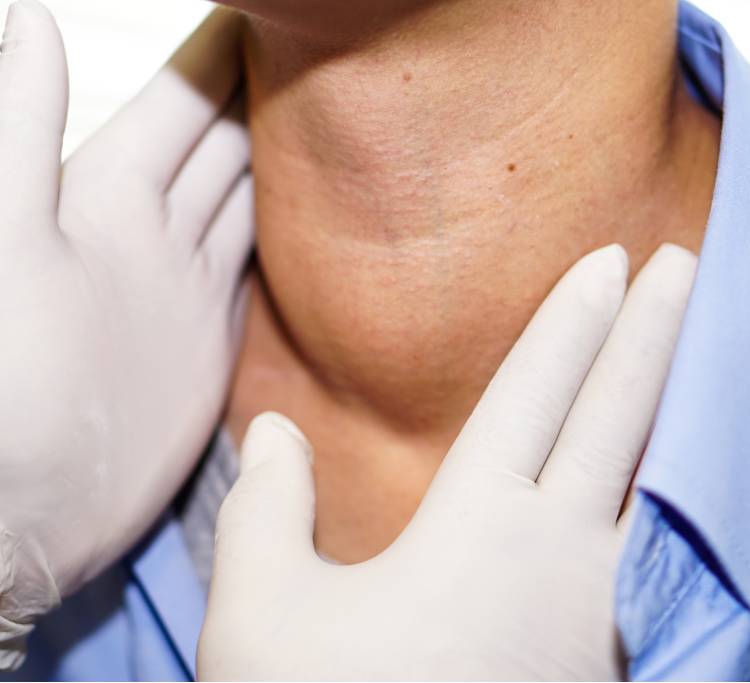
Sialosis, also known as sialadenosis, is a condition characterized by persistent, painless, and symmetrical swelling of the salivary glands, typically affecting the parotid glands on both sides of the face. Unlike infections or stones, this swelling is not caused by a problem within the gland itself, but is often a sign of an underlying systemic or metabolic condition. At ENT Central in Palmerston North, Dr. Naveed Basheeth provides expert diagnostic services to accurately identify sialosis and differentiate it from other causes of facial swelling.



If the swelling is not painful, why do I need to get it checked?
Even though the swelling itself is painless, it can be a visible sign of a significant underlying health problem, such as undiagnosed diabetes, a nutritional disorder, or liver disease. Getting an accurate diagnosis from a specialist is essential for managing your overall health.
Will surgery fix the swelling of sialosis?
Surgery (like removing the parotid gland) is generally not recommended or indicated for sialosis. Because the problem is systemic and not local to the gland, surgery does not fix the root cause. It is reserved for extremely rare cases and carries significant risks, including potential damage to the facial nerve.
Can sialosis turn into cancer?
No. Sialosis is a benign, non-cancerous condition. A key purpose of a specialist evaluation is to perform a thorough assessment to confirm that the swelling is indeed sialosis and not a salivary gland tumour, which is a different condition altogether.
How is sialosis actually treated?
The treatment for sialosis is the treatment of the underlying medical condition that is causing it. This typically involves working closely with your GP or another specialist (like an endocrinologist) to manage blood sugar, improve nutrition, review your medications, or address any other metabolic imbalance that has been identified.