What does it mean to have a deviated nasal septum?

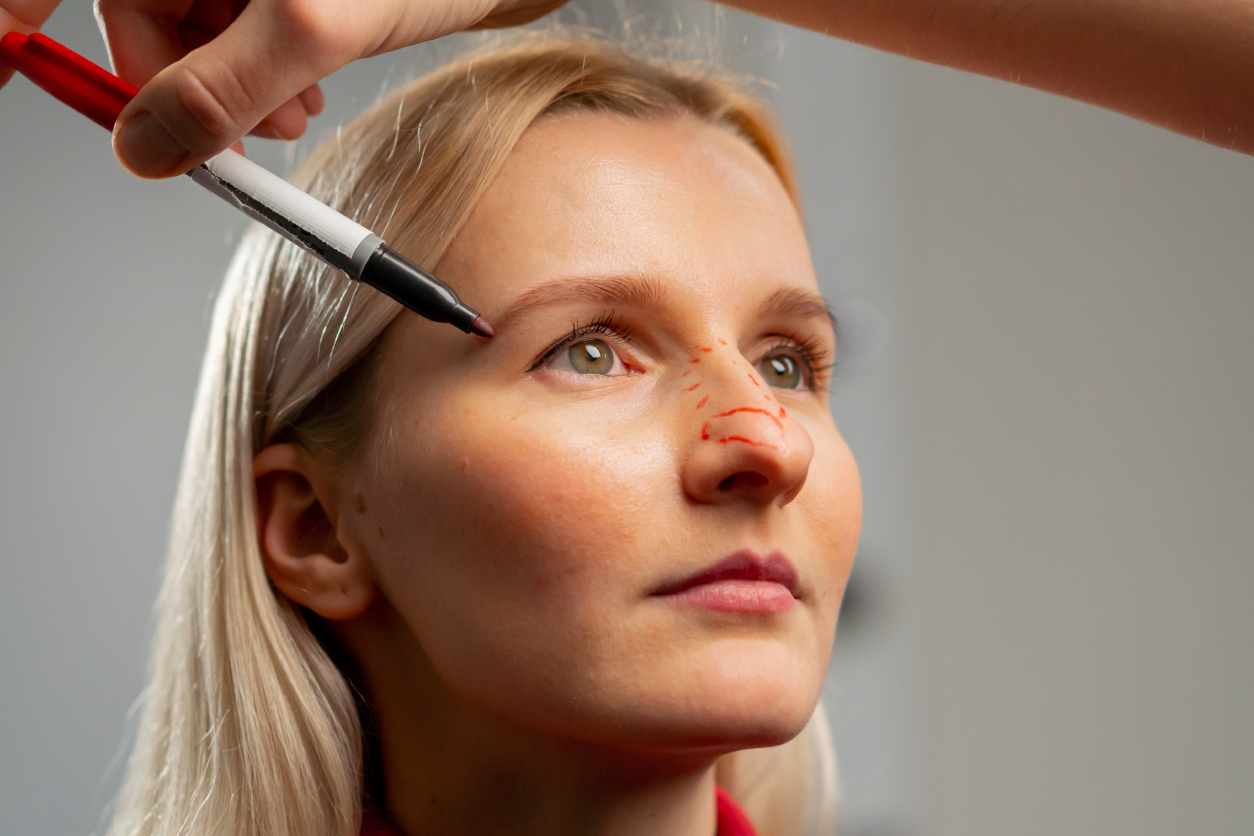
A deviated nasal septum happens when the cartilage and bone that separate the nostrils are not straight. This might happen because of heredity, an injury, or getting older. It can cause clogged airways, frequent sinus infections, or snoring. Dr. Naveed Basheeth uses modern techniques like nasal endoscopy and CT scans to check on the disease and make individualized treatment regimens that restore nasal function and ease pain.

Is Deviated Nasal Septum Treatment the Best Choice for Me?

Treatment is best for people whose everyday lives are hampered by nose symptoms that won't go away. You might benefit if you have:

  • A stuffy or blocked nose that won't go away
  • Having trouble breathing via one or both nostrils
  • Sinus infections that keep coming back or pain in the face
  • A lot of nosebleeds
  • Snoring loudly or waking up during the night
  • Realistic hopes for better breathing

What Are the Benefits of Treating a Deviated Nasal Septum?

Professional care at ENT Central changes the health and well-being of the nose. Some benefits are:

  • Easier breathing since your nasal passageways are more open
  • Less pain in the face and fewer sinus infections
  • Less snoring for a good night's sleep
  • Fewer nosebleeds
  • Increased comfort and energy every day
  • Surgical methods that are minimally invasive
  • Scars that are almost undetectable
  • Fast recovery with help from experts
  • Personalized care for long-lasting effects
  • Better health for your lungs
  • Better quality of life overall

What makes deviated nasal septum treatment different from other ENT services?

Deviated nasal septum therapy focuses on fixing the structural misalignment of the nasal septum, which is different from ENT procedures that deal with problems with the ears, throat, or sinuses in general. It combines accurate tests, such as endoscopic exams or imaging, with treatments like nasal sprays or septoplasty, a minimally invasive surgery, to clear out obstructions and get airflow back to normal.

How long does it take to become better after treatment for a deviated nasal septum?

Recovery is usually quick, and decongestants and other non-surgical treatments can help right away. Most patients can go back to their normal activities within 1–2 weeks after septoplasty, a precise, minimally invasive procedure. The mild nasal stuffiness goes away fast. Dr. Basheeth's personalized aftercare makes sure that your healing process is comfortable and effective, with advantages that last.

Why You Should Choose Dr. Naveed Basheeth:Great care for deviated septum

Dr. Naveed Basheeth is a board-certified ENT specialist who has trained all around the world. He brings a level of competence to ENT Central in Palmerston North that is unmatched. He is an expert in nasal surgery, which allows him to make accurate diagnosis and create personalized therapies for deviated septum alleviation. Dr. Basheeth makes it easy and safe to breathe again with a caring, patient-first approach.

Schedule a personalized consultation at ENT Central today.

Deviated Nasal Septum FAQs

How long do the good effects of deviated septum therapy last?

Can treatment help me breathe better and stop snoring?

Are treatments for a deviated septum safe and easy to handle?

Do I need surgery for my crooked septum?

How long do the good effects of deviated septum therapy last?

Medications can help for a short time, but septoplasty usually makes breathing and sinus problems better for good, as long as you follow up and take care of yourself.

Can treatment help me breathe better and stop snoring?

Yes, fixing the septum with surgery or medication opens up the airways, which makes breathing easier and reduces snoring, which helps you sleep better and feel better during the day.

Are treatments for a deviated septum safe and easy to handle?

Yes, therapies like septoplasty don't require any cuts on the outside of the body, which means they cause very little pain. Mild symptoms can be easily handled for a smooth recovery.

Do I need surgery for my crooked septum?

Not always; moderate cases may get better with drugs, but major aberrations usually need septoplasty for long-term relief, which is determined after rigorous evaluation.

Referral Pathway: We provide online consultations within two weeks of referral for out-of-town residents. Relevant investigations, radiological and laboratory, can be undertaken in the patient's city. Private and outsourced referrals can be sent to: admin@entcentral.co.nz (347) 557-8368.
Contact Us