What Is Dysphonia?

Dysphonia is the medical term for a voice disorder characterized by a rough, raspy, or strained vocal quality. It stems from issues with the vocal cords in the larynx (voice box) and can be caused by various factors, including vocal overuse, infections like laryngitis, acid reflux, or underlying growths such as nodules or polyps. Symptoms often include voice fatigue, changes in pitch, and difficulty speaking. Dr. Naveed Basheeth utilizes advanced diagnostic tools, including detailed examination and sometimes imaging, to identify the precise cause of your dysphonia and create a tailored treatment plan.

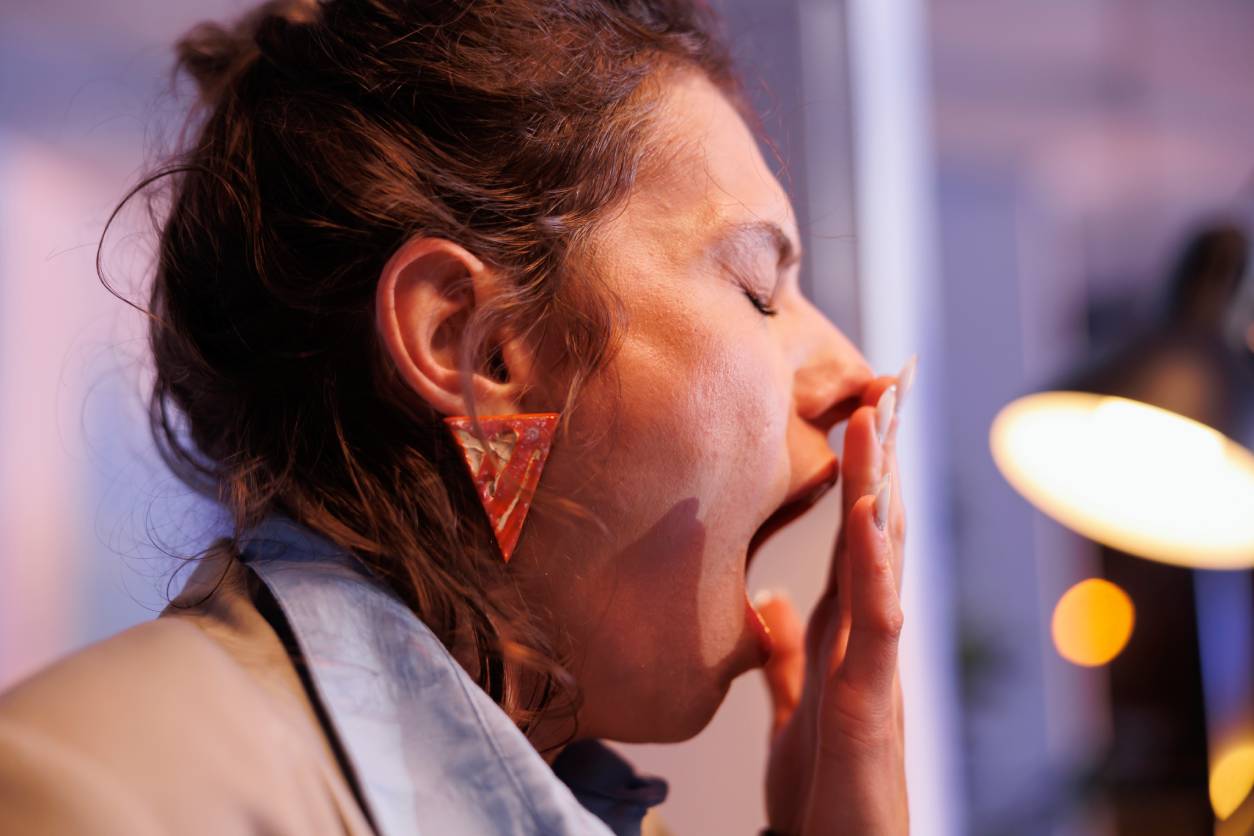
Voice examination for dysphonia at ENT Central

Is Dysphonia Treatment the Right Option for Me?

Treatment for dysphonia is suitable for those experiencing persistent voice changes. You may benefit if you experience:

  • A rough, raspy, or strained voice
  • Voice fatigue or weakness after speaking
  • Difficulty controlling your pitch or volume
  • A consistently breathy or quiet voice
  • Pain or discomfort when talking
  • Frequent throat clearing
  • Voice changes lasting more than two weeks
  • Concerns about underlying vocal cord health
ENT Central Logo
Voice therapy for dysphonia at ENT Central

What Are the Benefits of Dysphonia Treatment?

  • Clear diagnosis of the underlying cause
  • Personalized voice therapy plans
  • Relief from vocal strain and discomfort
  • Improved vocal strength and endurance
  • Guidance on vocal hygiene and lifestyle changes
  • Minimally invasive treatment options
  • Restoration of a clear, confident voice
  • Enhanced communication in personal and professional life
  • Prevention of long-term vocal damage
  • Comprehensive medical and surgical support

How Is Dysphonia Treatment Different From Other ENT Services?

Dysphonia treatment is a highly specialized field within ENT that focuses exclusively on the function of the larynx and vocal cords. While general ENT services address a wide range of ear, nose, and throat issues, voice care involves unique diagnostic techniques like laryngoscopy to visualize vocal cord movement. Treatment is uniquely tailored, often involving voice therapy, targeted medication, or delicate microsurgery, distinguishing it from treatments for sinus or ear conditions. This focused approach ensures that the intricate mechanics of your voice are precisely addressed.

Does Recovery After Dysphonia Treatment Take Long?

Recovery time depends entirely on the cause of your dysphonia and the chosen treatment. For many, improvement comes from voice therapy and lifestyle adjustments, with no downtime required. If a procedure like laryngeal microsurgery is needed, a period of voice rest will be necessary, followed by rehabilitation. Dr. Basheeth’s team provides personalized, detailed follow-up guidance, outlining a clear recovery pathway to ensure a smooth, effective return to confident voice use.

Why Choose Dr. Naveed Basheeth: Excellence in Dysphonia Care

Dr. Naveed Basheeth, an internationally fellowship-trained ENT and head and neck surgeon, delivers exceptional care for voice disorders at ENT Central in Palmerston North. His expertise in diagnosing and treating the full spectrum of dysphonia ensures an accurate diagnosis and an effective, individualized treatment plan. Trust Dr. Basheeth for compassionate care that restores your voice and supports your health journey.

Dysphonia FAQs

How long does dysphonia treatment take to work?

Can dysphonia be a sign of something serious?

Is voice surgery safe?

Will I need voice therapy after treatment?

How long does dysphonia treatment take to work?

Results vary. Voice therapy can yield improvements within weeks, while recovery from surgery may take longer. Dr. Basheeth will provide a personalized timeline based on your specific condition and treatment plan.

Can dysphonia be a sign of something serious?

While often caused by benign issues, persistent hoarseness can sometimes be a symptom of more serious conditions. A thorough evaluation is essential to rule out any significant underlying problems and ensure peace of mind.

Is voice surgery safe?

Yes, when performed by an expert surgeon, laryngeal surgery is a safe and effective procedure. Dr. Basheeth uses minimally invasive techniques to ensure precision, minimize risk, and optimize your vocal outcome.

Will I need voice therapy after treatment?

Often, yes. Voice therapy is a crucial component of recovery, especially after surgery. It helps retrain your vocal habits, strengthen your voice, and prevent future issues, ensuring a lasting, successful result.

Referral Pathway: We provide online consultations within two weeks of referral for out-of-town residents. Relevant investigations, radiological and laboratory, can be undertaken in the patient's city. Private and outsourced referrals can be sent to: admin@entcentral.co.nz (347) 557-8368.
Contact Us