What Is the Thyroid Gland?

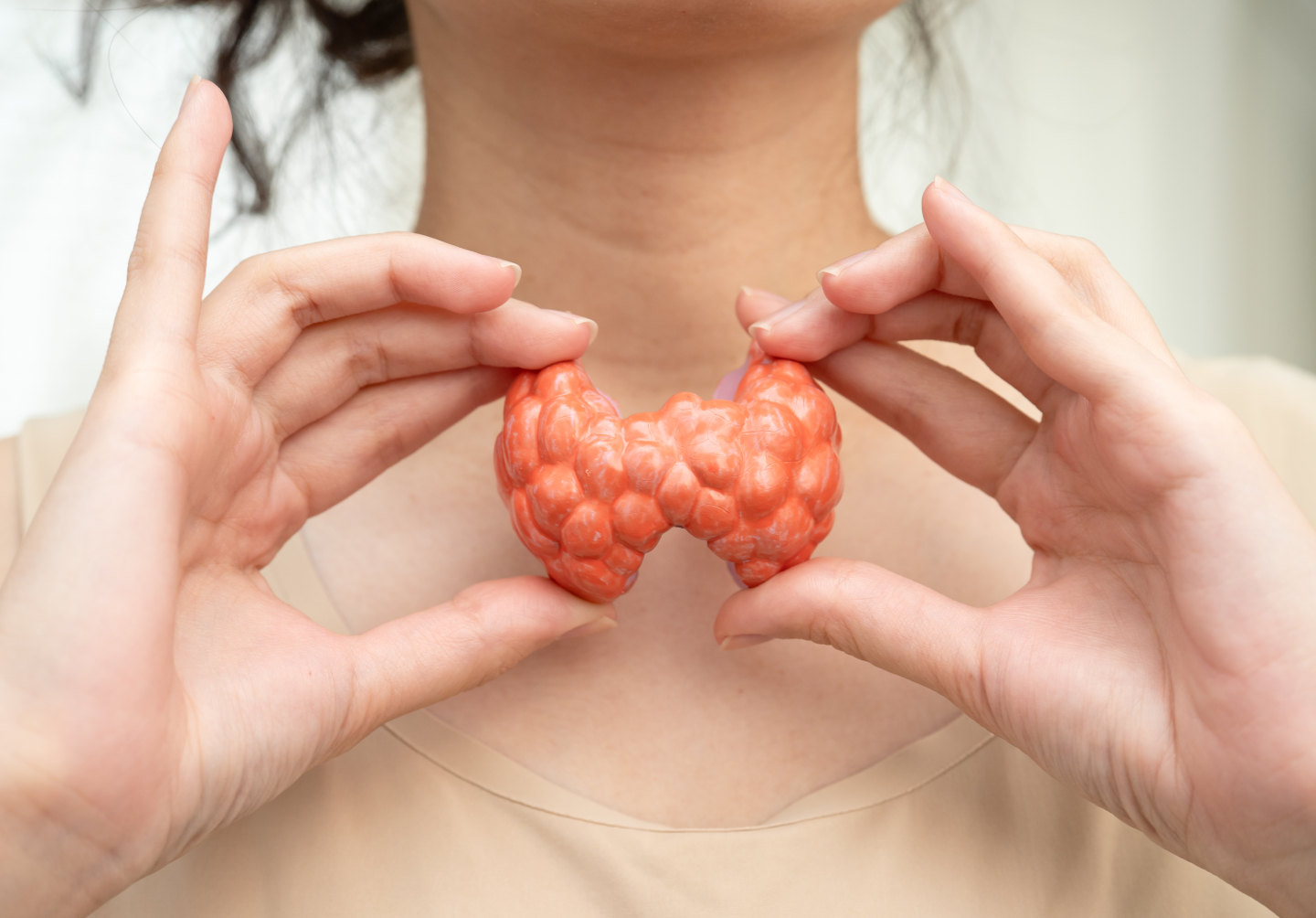
The thyroid is a butterfly-shaped gland located just below the Adam’s apple, consisting of two lobes connected by a thin bridge called the isthmus. It produces essential hormones, including thyroxine (T4) and triiodothyronine (T3), which play a crucial role in regulating metabolism, energy levels, body temperature, growth, and development. These hormones influence nearly every organ and tissue in the body. The pituitary gland helps regulate thyroid activity by releasing thyroid-stimulating hormone (TSH), ensuring hormonal balance is maintained.

What Are the Benefits of Thyroid Surgery?

Under Dr. Basheeth’s care, thyroid surgery can: Provide precise diagnosis and removal of suspicious nodules or tumours Restore healthy hormone levels by treating underactive or overactive thyroid Alleviate pressure-related symptoms such as neck swelling, difficulty swallowing, or changes in voice. Minimise scarring with advanced cosmetic or scarless approaches Offer peace of mind through removal and analysis of potentially harmful growths

Understanding ThyroidWhy Treat Thyroid Conditions?

Thyroid abnormalities can significantly impact overall health and daily life—from upsetting hormone levels to causing discomfort in the neck.

Leaving these issues untreated may worsen symptoms, affect quality of life, or increase the risk of cancer. Thyroid surgery ensures accurate diagnosis, appropriate treatment, and protection of surrounding structures like the vocal cords and parathyroid glands.

“My thyroid surgery with Dr. Basheeth was seamless — I had minimal scar and felt well cared for every step of the way.”

Palmerston North Thyroid Patient , New Zealand

Surgical Details

Dr. Basheeth performs thyroid surgery under general anesthesia at Crest Hospital. He uses small incisions placed within natural skin creases to remove part (lobectomy) or all (total thyroidectomy) of the gland, depending on the condition. Whenever suitable, he employs remote or scarless techniques—such as a robotic underarm or behind-the-ear approach—for optimal cosmetic outcomes. Procedures that involve cancers or lymph node involvement may include a neck dissection.

Am I a Candidate for Surgery?

You may be an appropriate candidate if:

  • You have suspicious or growing thyroid nodules
  • You're diagnosed with thyroid cancer or high-risk tumours
  • You suffer from hyperthyroidism not controlled by medication
  • You experience compressive symptoms (breathing, swallowing, voice issues)
  • Your thyroid imbalance impacts quality of life or overall health

Recovery & Expected Outcomes

Recovery following thyroid surgery varies depending on the specific procedure performed, but most patients are able to return to light daily activities within just a few days. In many cases, a short hospital stay of one night is all that’s needed. Mild throat discomfort or tightness is common in the early healing phase but is typically well managed with prescribed pain relief and supportive care.

Follow-up care is an important part of the recovery process. Dr. Basheeth closely monitors thyroid hormone levels to ensure proper balance and long-term health. In cases where the entire thyroid is removed, patients may require lifelong thyroid hormone supplementation. Regular check-ups and blood tests help maintain stability and prevent any hormonal fluctuations that might affect energy, mood, or metabolism.

Cosmetic outcomes are a key consideration, and Dr. Basheeth’s techniques aim to minimize visible scarring—especially with robotic and scarless procedures. Patients often find that once healing is complete, any residual mark is barely noticeable. With early intervention and precise surgical technique, the long-term prognosis for both benign conditions and early-stage thyroid cancers is overwhelmingly positive, allowing most individuals to return to full health and normal thyroid function.

Types of Thyroid Procedures

Dr. Basheeth provides a wide spectrum of thyroid treatments—from traditional surgeries to advanced scarless techniques—based on the patient’s condition, anatomy, and overall health. His approach prioritizes both function and aesthetics, ensuring patients receive safe, precise, and cosmetically favorable outcomes.

Lobectomy and Total Thyroidectomy

A lobectomy involves removing one lobe of the thyroid gland while leaving the other intact. This option is ideal for patients with a solitary nodule or indeterminate lesions, as it preserves partial thyroid function. When the entire thyroid gland is affected—due to cancer, large goiters, or autoimmune thyroiditis—a total thyroidectomy may be necessary. In cases where cancer has spread beyond the thyroid, neck dissection is performed to remove affected lymph nodes and ensure thorough disease control.

Scarless Robotic Thyroid Surgery

For patients seeking a cosmetically discreet solution, Dr. Basheeth offers scarless robotic thyroidectomy. This advanced technique avoids a visible neck scar by accessing the thyroid through concealed incisions in the armpit or behind the ear. Using robotic precision, this method allows for excellent surgical access and recovery while prioritizing aesthetics—especially valued by younger patients or those concerned with visible scarring.

Radiofrequency Ablation (RFA)

For those with benign thyroid nodules who wish to avoid surgery, radiofrequency ablation (RFA) provides a safe, effective, and minimally invasive alternative. This procedure uses targeted thermal energy, guided by ultrasound, to shrink nodules without the need for incisions or general anesthesia. RFA offers minimal downtime, making it an ideal option for patients with low-risk nodules and no signs of malignancy.

Thyroid Surgery FAQs

Will there be visible scars?

Will I need thyroid hormone replacement?

How long is recovery?

Are there risks to my voice or calcium levels?

Is RFA suitable for me?

Will there be visible scars?

Often minimal—usually thin scars along natural neck lines or hidden sites (arm, ear).

Will I need thyroid hormone replacement?

Possibly, depending on how much thyroid tissue is removed. Hormone therapy is easily managed with medication.

How long is recovery?

Most patients resume daily activities within 3–5 days; full recovery occurs over 2–4 weeks.

Are there risks to my voice or calcium levels?

Dr. Basheeth employs nerve-monitoring and careful technique to protect the vocal cords and parathyroid glands, keeping complications rare.

Is RFA suitable for me?

Yes—ideal for patients with benign nodules wishing to avoid surgery. It uses heat to shrink nodules via a needle under local anesthesia.

Why Choose Dr. Naveed Basheeth?

Dr. Naveed Basheeth is an internationally fellowship-trained ENT and head and neck surgeon offering cutting-edge thyroid care in New Zealand. His technique blends surgical accuracy with minimal scarring, guided by expertise in robotic and endoscopic surgery. Patients benefit from a clear, compassionate care pathway and excellent clinical outcomes — from diagnosis through recovery.

Book your personalised thyroid consultation with Dr. Basheeth today.

Referral Pathway: We provide online consultations within two weeks of referral for out-of-town residents. Relevant investigations, radiological and laboratory, can be undertaken in the patient's city. Private and outsourced referrals can be sent to: admin@entcentral.co.nz (347) 557-8368.
Contact Us