Radioactive Iodine (RAI) is a vital and effective treatment for thyroid cancer, but it can sometimes lead to a painful side effect called sialadenitis—an inflammation of the salivary glands. This condition can cause significant discomfort, swelling, and long-term issues like dry mouth. At ENT Central in Palmerston North, Dr. Naveed Basheeth specializes in managing the salivary gland complications of RAI therapy, offering advanced treatments to relieve symptoms and improve your quality of life.

I'm about to have RAI therapy. Is there anything I can do to prevent this?
Yes, certain measures can help minimize the risk. Staying well-hydrated, regularly massaging your salivary glands, and sucking on sour lollies or other items (sialogogues) during and for a period after your treatment can help "flush" the radioactive iodine through your glands more quickly, potentially reducing the total radiation dose they receive.
My RAI treatment was years ago. Can I still develop problems now?
Yes. While some patients experience acute sialadenitis right away, the chronic effects, such as ductal strictures and persistent dry mouth, can develop and become problematic months or even years after the initial RAI therapy was completed.
Will sialendoscopy cure the radiation damage?
Sialendoscopy cannot reverse the underlying cellular damage caused by radiation. However, it is highly effective at treating the consequences of that damage, such as by opening up scarred strictures and washing out inflammatory debris. This provides significant symptom relief and helps the gland function as well as possible.
Is swelling after RAI always sialadenitis?
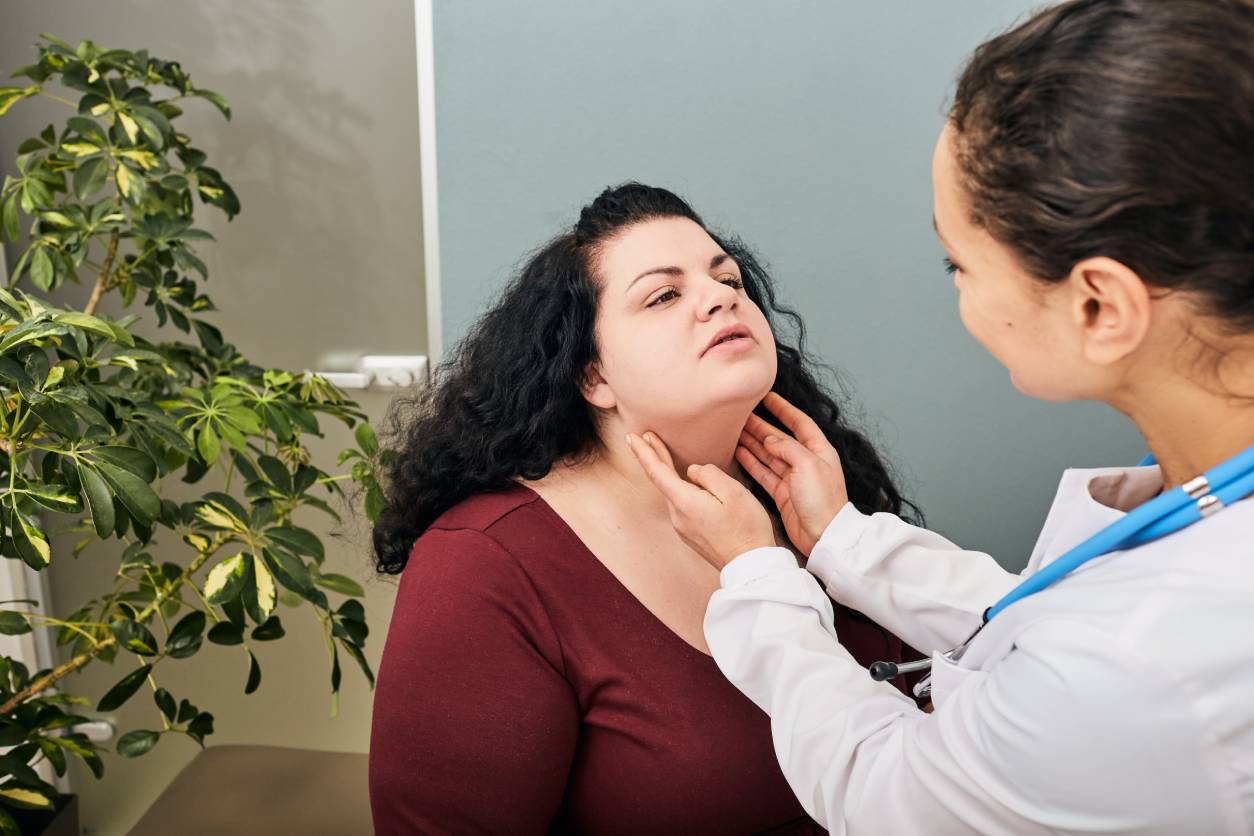
While sialadenitis is a very common cause of swelling after RAI, any new or persistent lump or swelling following cancer treatment should be professionally evaluated. Dr. Basheeth will perform a thorough assessment to confirm the diagnosis and rule out any other potential issues, ensuring you receive the correct care.