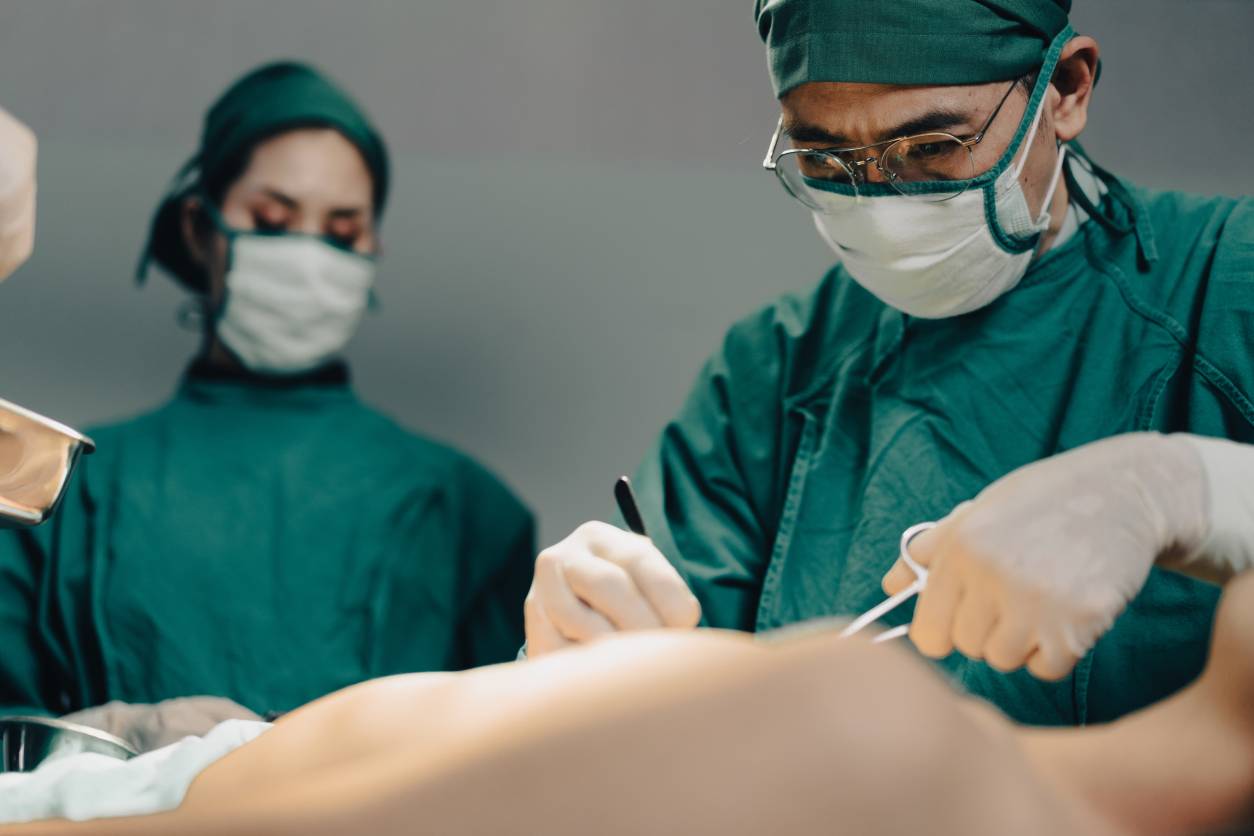
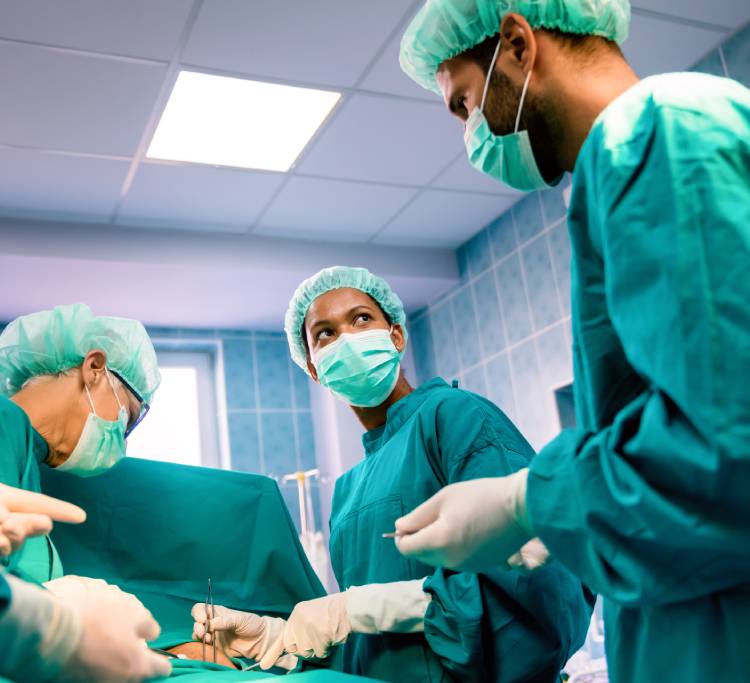
A parotidectomy is a surgical procedure to remove all or part of the parotid gland—the largest salivary gland situated in the cheek. This complex operation is most often done to remove a tumour and demands exceptional surgical skill due to the facial nerve passing directly through the gland. With extensive experience in Head and Neck surgery, Dr. Naveed Basheeth performs parotidectomy with precision, prioritizing both thorough tumour removal and the careful preservation of facial nerve function.


What is the risk of permanent damage to my facial nerve?
This is the most important consideration in parotid surgery. In the hands of an experienced specialist surgeon, the risk of a permanent, severe weakness to the facial nerve is very low (typically 1-2%). Temporary weakness is more common but usually resolves fully. The use of continuous nerve monitoring during the surgery adds a critical layer of safety.
Will I have a noticeable scar on my face?
Dr. Basheeth uses a modified facelift incision, which is meticulously placed in the natural crease in front of your ear and then hidden in the hairline behind it. This technique provides excellent access for the surgery while resulting in a scar that heals beautifully and is very difficult to see once matured.
What is Frey's Syndrome?
Frey's syndrome is a common, long-term side effect of parotidectomy where you may experience sweating on the skin of your cheek when you eat. It occurs because nerve fibres that were meant for the salivary gland regrow to supply the sweat glands of the overlying skin. While it can be a nuisance, it is not dangerous and can be managed if it becomes bothersome.
Will my face look sunken in after the gland is removed?
Removing the gland can sometimes leave a small contour defect or hollow in the cheek area. The extent of this depends on the size of the gland removed and your own anatomy. If this is a concern, Dr. Basheeth can discuss potential reconstructive options with you.


