What Is Hyperparathyroidism?

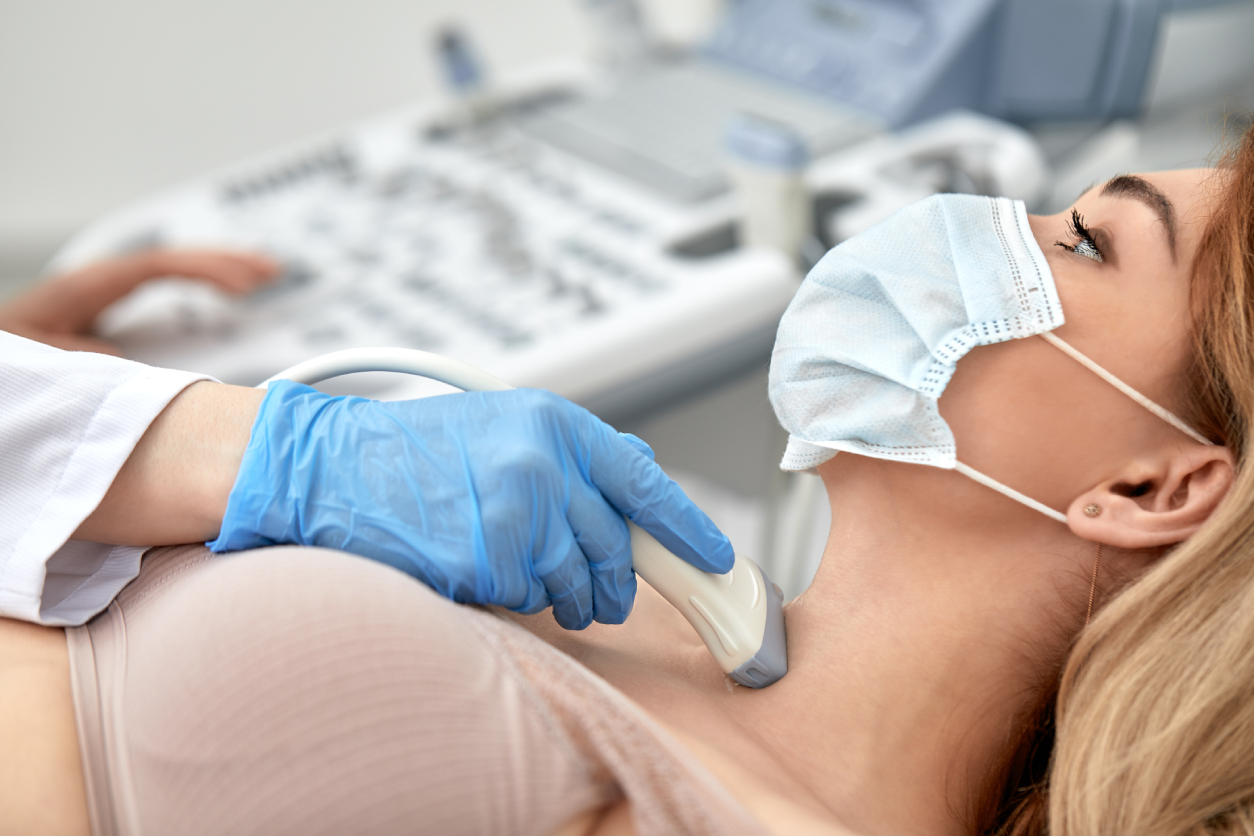
Hyperparathyroidism occurs when parathyroid glands produce excess parathyroid hormone (PTH), often due to a benign adenoma, hyperplasia, or rare genetic conditions like MEN syndromes. This elevates calcium levels, causing fatigue, bone pain, kidney stones, or mood changes. Dr. Naveed Basheeth uses advanced diagnostics, including blood tests, ultrasound, or sestamibi scans, to pinpoint the cause and deliver personalized treatments for optimal outcomes.

Is Hyperparathyroidism Treatment the Right Option for Me?

Treatment is suitable for those with symptomatic or severe hyperparathyroidism. You may benefit if you experience:

  • Persistent fatigue or muscle weakness
  • Bone or joint pain
  • Kidney stones or frequent urination
  • Mood changes, anxiety, or depression
  • Elevated calcium or PTH levels
  • Realistic expectations for treatment outcomes

What Are the Benefits of Hyperparathyroidism Treatment?

Expert care at ENT Central optimizes outcomes for hyperparathyroidism patients. Benefits include:

  • Normalized calcium and PTH levels
  • Relief from fatigue and bone pain
  • Reduced risk of kidney stones
  • Improved mood and energy
  • Minimally invasive surgical options
  • Precise diagnostics for accurate management
  • Minimal scarring with advanced techniques
  • Personalized treatment plans
  • Long-term health monitoring
  • Enhanced quality of life
  • Comprehensive medical support

How Is Hyperparathyroidism Treatment Different From Other ENT Services?

Hyperparathyroidism treatment is distinctly focused on correcting overactive parathyroid glands to normalize calcium levels, setting it apart from broader ENT specialties addressing ear, nasal, or sinus disorders. It employs advanced diagnostic tools, such as sestamibi scans, 4D-CT imaging, and precise blood tests for calcium and PTH, paired with targeted therapies like medication or minimally invasive parathyroidectomy. This specialized approach effectively resolves symptoms like fatigue and bone pain, ensuring rapid recovery and optimal health outcomes with minimal invasiveness.

Does Recovery After Hyperparathyroidism Treatment Take Long?

Recovery from hyperparathyroidism treatment varies by method; non-surgical approaches, such as medication, typically stabilize symptoms within a few weeks, while minimally invasive parathyroidectomy results in mild, temporary discomfort, like neck soreness or swelling, resolving within 1–2 weeks. Most patients resume normal activities within 2–3 weeks, supported by Dr. Basheeth’s customized aftercare plans, which prioritize comfort, promote efficient healing, and ensure sustained health through ongoing monitoring.

Why Choose Dr. Naveed Basheeth: Excellence in Hyperparathyroidism Care

Dr. Naveed Basheeth, an internationally fellowship-trained ENT and head and neck surgeon, delivers exceptional care at ENT Central in Palmerston North. His expertise in hyperparathyroidism ensures accurate diagnosis and effective, individualized treatments. Trust Dr. Basheeth for compassionate care that restores health and vitality.

Book your personalized consultation at ENT Central today.

Hyperparathyroidism FAQs

How long do treatment benefits last?

Can treatment improve my energy or bone pain?

Are hyperparathyroidism treatments safe?

Will I need surgery for hyperparathyroidism?

How long do treatment benefits last?

Successful treatment, such as parathyroidectomy, can provide permanent resolution of symptoms and calcium imbalance, with regular monitoring to maintain long-term health and prevent recurrence.

Can treatment improve my energy or bone pain?

Yes, normalizing calcium and PTH levels alleviates fatigue, bone pain, and related symptoms, enhancing energy, mental clarity, and daily comfort for improved quality of life.

Are hyperparathyroidism treatments safe?

Yes, advanced diagnostics and treatments, including minimally invasive surgery, are safe, with manageable side effects like temporary soreness supported by comprehensive, tailored aftercare.

Will I need surgery for hyperparathyroidism?

Not always; mild cases may be managed with monitoring or medication, but surgery is often recommended for severe or symptomatic cases after thorough diagnostic evaluation.

Referral Pathway: We provide online consultations within two weeks of referral for out-of-town residents. Relevant investigations, radiological and laboratory, can be undertaken in the patient's city. Private and outsourced referrals can be sent to: admin@entcentral.co.nz (347) 557-8368.
Contact Us